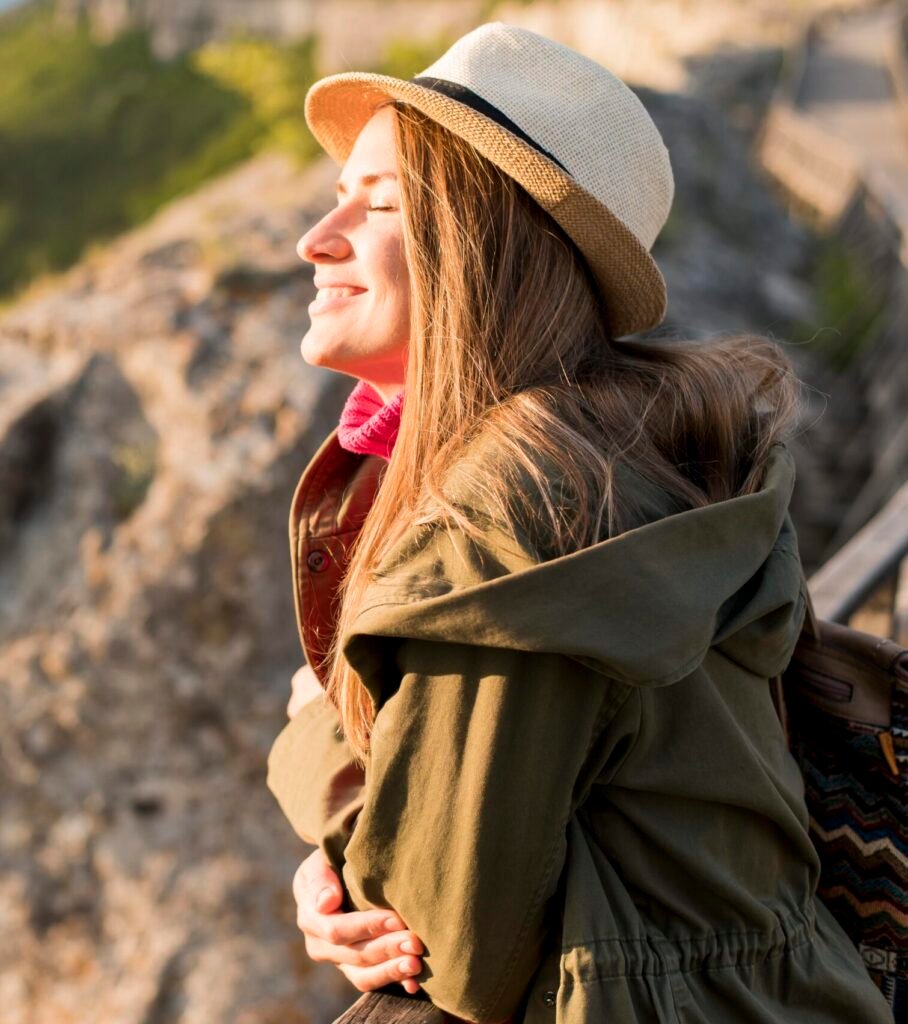
Short answer: yes, women travel in Morocco every day, alone and in groups, and most love it. Expect attention in busy medinas, mostly comments and persistent offers rather than anything threatening. A few habits, the right clothes and good logistics make a huge difference.
What to expect
- Verbal attention in the souks of Marrakech and Fes: greetings, compliments and sales pitches. It is tiring, rarely dangerous.
- Calmer places: Chefchaouen, Essaouira, Rabat, the Atlas villages and the desert are noticeably more relaxed.
- Kindness: Moroccan women, families and older men are often protective of women travelling alone.
How to handle unwanted attention
- Do not engage: no eye contact, keep walking, a calm “la, shukran” (no, thank you).
- Walk with purpose, even when you are lost. Check your map in a café, not in the street.
- If someone insists, step into a shop, a café or your riad, or ask a woman or a shopkeeper for help.
- Use a licensed guide for your first visit of a big medina; touts leave you alone when you are with a guide.
What to wear
Loose clothes that cover shoulders and knees, a light scarf and comfortable shoes. You do not need to cover your hair. Inside riads, hotels and at the beach you can dress as you like. Our full guide on what to wear in Morocco has a packing list.
Getting around safely
- Trains: first class is inexpensive and calmer.
- Taxis: use registered taxis with a meter or book through your riad.
- Avoid long drives at night, especially on mountain roads.
- For the desert and the mountains, travel with a driver or a reputable agency rather than with strangers met on the street.
Where to stay
Choose riads with many recent reviews from women, located near a medina gate so you do not walk far at night. Ask the riad to meet you at the gate on arrival; most do it for free.
Experiences with Moroccan women
- A traditional hammam during women’s hours, with a black-soap scrub.
- A cooking class at the Amal Women’s Training Center in Marrakech, a non-profit that trains women for jobs in restaurants.
- Women’s cooperatives: argan oil near Essaouira, rose products in the Dades Valley, embroidery in Midelt.
- Henna from a recommended artist, not from someone who grabs your hand in the street.
Useful numbers and apps
- Police: 19. Gendarmerie (outside cities): 177. Ambulance and fire: 15.
- Save your riad’s phone number and share your itinerary with someone at home.
- Download offline maps before entering a medina.
Read also our general guide: Is Morocco safe for tourists?
Women-only tours
If you prefer not to deal with logistics, our women-only tours are private trips for solo women and groups of friends, with a trusted driver, hand-picked riads and women-led experiences. The 7-day tour covers the imperial cities and Chefchaouen; the 14-day tour adds the Sahara and Essaouira.
Frequently asked questions
Is Morocco safe for solo female travellers?
Yes, with common-sense precautions. The main issue is verbal attention in busy medinas. Calm places like Chefchaouen, Essaouira and the desert feel very relaxed.
Do women need to cover their hair in Morocco?
No. Covering shoulders and knees is enough. A scarf is useful against sun and sand, and some women wear it as a sign of respect inside religious sites.
Can women go to a hammam in Morocco?
Yes. Public hammams have separate hours or rooms for women, and spa hammams in riads and hotels are open to everyone.
Is it safe to visit the Sahara as a woman alone?
Yes, with a reputable agency and an established camp. Book in advance rather than with someone you meet on the street, and ask for a private tent if you prefer.
Travelling solo or with friends? Tell us your plans and we will build a safe, private itinerary for you.