Morocco is easy to love and occasionally hard to navigate. These 25 tips come from years of welcoming travellers on our private tours. They will save you money, time and a few awkward moments.
Money and tipping
- The dirham (MAD) is a closed currency. You get it in Morocco, from ATMs or exchange offices, and change leftovers back before you leave. Keep your exchange receipts.
- Carry cash. Cards work in hotels and larger restaurants, but souks, taxis and small cafés want cash.
- Use bank ATMs rather than street machines, and expect a small fee from your own bank.
- Tip as you would at home, scaled down. Around 10 percent in restaurants, a few dirhams for porters, and something for guides and drivers if you are happy with their work.
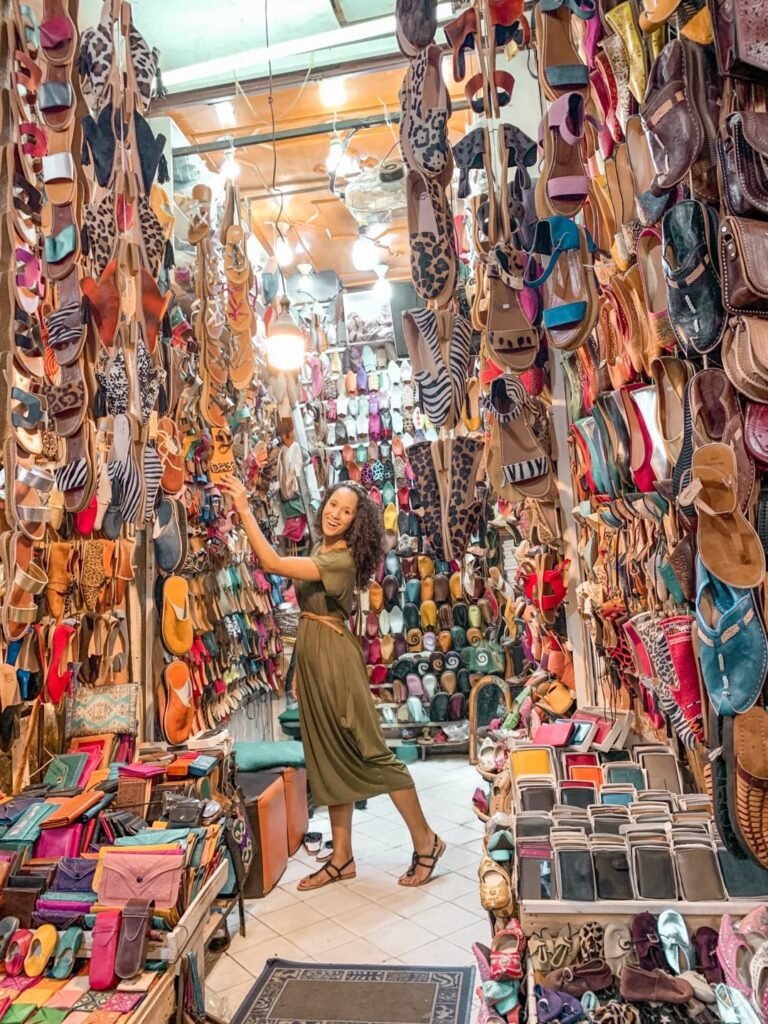
- Bargain with a smile. In the souks, the first price is a starting point. Decide what the item is worth to you and walk away politely if you do not agree.
Culture and etiquette
- Dress modestly in medinas and villages: shoulders and knees covered. See our guide on what to wear in Morocco.
- Ask before photographing people. Many Moroccans do not want their picture taken, and street performers expect a tip.
- Use your right hand to eat, give and receive.
- Most mosques are closed to non-Muslims. The big exception is the Hassan II Mosque in Casablanca, which offers guided tours.
- Friday is the main prayer day. Some shops in the souks close around midday.
- Learn three words of Darija: “salam” (hello), “shukran” (thank you) and “la, shukran” (no, thank you). French is widely spoken; English is common in tourist areas.
- Alcohol is legal but discreet. It is served in licensed hotels, bars and some restaurants, not in most traditional cafés.
In the medinas
- Get lost on purpose, then use a landmark or a map app to get out. Offline maps help.
- Ignore unofficial guides. Book a licensed guide through your hotel or agency instead.
- Riads have no car access. A porter with a cart will carry your luggage from the nearest gate; tip him.
- Visit early. Medinas are calmer before 10 am, and the light is better for photos.
Transport
- Trains are good between the big cities. The high-speed Al Boraq links Tangier, Rabat and Casablanca; regular trains continue to Fes and Marrakech.
- Petit taxis work inside cities and should use the meter. Grand taxis run between towns and are shared unless you pay for all seats.
- For the desert and the mountains, use a driver. Distances are long and mountain roads are demanding. Our itinerary guide lists real driving times.
Food and health
- Drink bottled or filtered water.
- Eat where locals eat, at busy stalls where food is cooked fresh in front of you.
- Try couscous on Friday, when Moroccan families traditionally eat it, and accept the mint tea: refusing it can seem rude.
Practical details
- Buy a local SIM or an eSIM at the airport (Maroc Telecom, Orange or inwi) for cheap data.
- Plugs are type C and E, 220 V, like most of continental Europe.
- Leave the drone at home. Drones need special authorisation and are often confiscated at customs.
Before you go, also check the entry requirements for your passport and the best season for your trip.
Frequently asked questions
What should I avoid doing in Morocco?
Avoid photographing people without asking, wearing very revealing clothes in medinas, following unofficial guides, eating or drinking in public during Ramadan days, and bringing a drone without authorisation.
How much should I tip in Morocco?
Around 10 percent in restaurants, a few dirhams for porters and hotel staff, and a tip for guides and drivers based on the service. Tipping is expected but never compulsory.
Can I use credit cards in Morocco?
Yes in hotels, larger restaurants and modern shops. Cash is needed in souks, taxis, small cafés and rural areas.
Do people speak English in Morocco?
In tourist areas, yes. Arabic (Darija) and Amazigh are the local languages, French is widely spoken, and English is common among younger people and in the travel industry.
Prefer to travel without the hassle? Our private Morocco tours include your own driver and local guides. Ask for a quote.